


Smart Credit Card Options for Students
Build credit with confidence. We’ll help you get there.
Your first credit card starts here!
If you’re a student or just getting started with credit, RBFCU makes it easier to build credit responsibly with options designed to grow with you.
Wondering if this is you?
Getting your first credit card can feel like a big step. This is a great place to start if:
- You’re in school or a young adult building credit for the first time
- You want to understand how credit works before applying
- You plan to use your card for everyday purchases and pay it off over time
If that sounds like you, you’re in the right place.

Credit Card Options That Fit Student Life
RBFCU doesn’t offer a “student-only” credit card, but we have options designed to help students and young adults build credit at every stage.
RBFCU Secured Mastercard® World Cash Back or Premier Rate Credit Card
Best for
Students or young adults who are new to credit or need help establishing or rebuilding credit.
Why it helps
- Designed to help build credit responsibly
- Your credit limit is secured by your own funds
- Payment history is reported to credit bureaus
This can be a smart first step toward qualifying for an unsecured credit card in the future.

RBFCU World Cash Back Mastercard® Credit Card
Best for
Those who want to earn rewards while they make purchases.
Why members like it
- Earn cash-back rewards on everyday purchases
- No annual fee
- Accepted worldwide
- Built-in fraud protection and alerts
- Mobile wallet compatible
Good to know
This card is a solid option if you’re ready to earn rewards while building a positive credit history.

RBFCU Premier Rate Mastercard® Credit Card
Best for
Those who want a simple card with a lower interest rate.
Why members like it
- Competitive low interest rate
- No annual fee
- Straightforward card with predictable costs
- Mobile wallet compatible
Good to know
A lower rate can help keep costs down if you ever carry a balance.


-
How does a credit card work?
A credit card lets you make purchases up to a set credit limit and pay for them later. Your purchases add to your balance and are shown on a monthly statement with a payment due date. The statement shows your full balance, which may include additional costs such as interest. Making payments on time helps keep your account in good standing.
-
What is APR and when does it matter for my credit card?
APR (Annual Percentage Rate) is the interest rate you may pay if you carry a balance on your credit card. If you pay your credit card’s entire balance each month by the due date, you can avoid paying interest on purchases (cash advances and balance transfers begin accruing interest on the transaction date).
Click here to learn more about financial terms and definitions.
-
What happens if I only make the minimum payment on my credit card?
Paying the minimum keeps your credit card account current, but interest can add up over time. Paying more than the required amount can help you pay what you owe faster and reduce interest costs over time.
-
How do credit cards build credit?
A credit card can be a useful tool when used responsibly. Making at least the minimum payment on time and keeping balances manageable can help build a positive credit history, which may be reviewed when you apply for things like auto loans or rental housing.
-
Why should I use a credit card instead of a Buy Now, Pay Later (BNPL) plan?
Buy Now, Pay Later (BNPL) plans can feel convenient, but credit cards often offer stronger protections and long-term benefits when used responsibly.
- Helps build your credit: Credit cards regularly report payment activity to credit bureaus, which can help strengthen your credit history when you make on-time payments. With BNPL, missed payments may hurt your credit, but some BNPL services don’t report positive payment history at all.
- Built-in protections: Credit cards typically offer stronger fraud protection and dispute rights. BNPL payments are often pulled directly from your checking account, increasing the risk of overdrafts and extra fees if funds run low.
- One account, more flexibility: A credit card gives you a revolving line of credit you can reuse as you pay down your balance. BNPL plans are tied to individual purchases, which can make it harder to track and manage multiple payment schedules at once.
- Fewer surprise costs when managed well: While BNPL is often advertised as “interest free,” late fees can add up quickly. Credit card terms are typically more transparent, making it easier to understand costs upfront.
- Encourages mindful spending: BNPL can make impulse purchases feel easier, sometimes leading to unplanned debt. Credit cards — used thoughtfully — can support better budgeting and spending awareness.
Smart Credit Habits That Pay off Later
Building credit isn’t about spending more. It’s about building good habits early.




Applying for a Credit Card Under Age 21
If you’re under 21, you can still apply, but there are a few additional things to know. Approval is based on your ability to make monthly payments. This may include income or assets you earn or control on your own, or applying with a co‑borrower who is 21 or older, has the ability to repay, and agrees to be equally liable on the account.
Here’s how the process generally works:

1. Choose the right credit card option
Think about what matters most to you, whether that’s building credit for the first time, earning rewards, or keeping interest costs low.

2. Review application requirements
When you apply, you’ll need to demonstrate your ability to repay the credit. This may include showing independent income, accessible assets, or applying with a co‑signer.

3. Apply with a co-borrower (if needed)
Applying with a co‑borrower is an option. A co‑borrower applies with you and agrees to share equal responsibility for the account, including repayment of any balance.

4. Complete the application
You can apply online when you’re ready. If you have questions or want help choosing the right option, an RBFCU representative can guide you through the application process.

-
Do I need credit history to apply for a credit card?
Not always. Some members qualify for a credit card without established credit, and secured cards are available for those just starting out.
However, when you apply you must be able to show ability to repay — even for secured cards — which means having the ability to make at least the minimum monthly payment. This typically includes considering income or assets you can access, along with existing financial obligations.
-
What if I'm not approved for a credit card after I apply?
If you’re not approved for one credit card, you may still qualify for a secured credit card to help you build credit.
-
How much should I spend on my first credit card?
When starting out, it’s a good idea to use your credit card for small purchases you can afford to repay. Spending less can make it easier to manage your balance and avoid taking on more debt than you’re comfortable with. As you become more familiar with how your credit card works, you can decide whether using it for additional purchases makes sense for you.
Knowledge That Helps You Build Credit Smarter
Related Articles

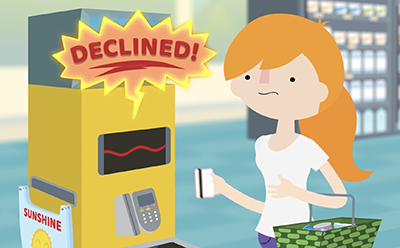
Using Credit Cards Responsibly: The 3 Things You Should Do Each Month
it's a money thing → Read More
Membership eligibility required. Credit cards are subject to credit approval. Rates and terms subject to change. Applicants must be at least 18 years old to apply. For applicants under 21, approval is based on independent income or assets and the ability to make monthly payments.
Cash-back rewards are an enhancement to the RBFCU World Cash Back credit card and may be discontinued at any time. Program availability, rates and terms are subject to change. Certain benefits of the RBFCU World Cash Back Mastercard Credit Card will be unavailable to cardholders until the World Cash Back credit card has been activated. The Cash-Back rewards program pays a reward for each qualified purchase completed with your Card. ATM withdrawals, Balance Transfers, Cash Advances, finance charges, fees and any other non-purchase transactions do not qualify for rewards. The cash-back rewards are redeemable online, and payment of the reward may be made as a statement credit. Cash-back rewards are forfeited if your Card is closed before redemption. We reserve the right to disqualify transactions that are not usual or customary and are apparently structured or intended to abuse the program. Abuse of the program may result in loss of rewards and Card privileges. We may add to, change, or delete any of the terms of this program or discontinue this program at any time at our sole and absolute discretion.
Certain terms, conditions and exclusions apply. To learn more about Zero Liability, visit mastercard.com/zeroliability. Contact RBFCU for complete coverage terms and conditions or call 1-800-Mastercard (1-800-627-8372) for assistance. Applicable to U.S. cardholders only.
Information in these articles is general in nature and for your consideration, not as financial advice. Please contact your own financial professionals regarding your specific needs before taking any action based upon this information.